Chemical State Spectra – OVERLAYS (Ag – Zr)
This series of OVERLAYS of Chemical State Spectra shows the “chemical shifts” between different chemical states (species) for each element. These shifts are due to differences in electron polarization in the bond between the two chemical states (groups, species).
True insulators were charge referenced (corrected) so that the hydrocarbon form of adventitious carbon appears at 285.0 eV.
Electron polarization is related to “electronegativity”. When you compare the differences in electronegativity between two different atoms that are bonded then you will understand part of the reason for the “chemical shifts”. Chemical shifts are valuable to scientists using XPS because allow us to understand differences in “chemical states”.
This collection of spectra includes: overlays of two related chemicals, spectra of pure elements, spectra of metal oxides and more. The various spectra will help you to understand more about Chemical States.
You will see differences in FWHMs and BEs for pure elements versus their oxides, fluoride …
Ag, Silver

Ag, Silver
Al, Aluminum


Al, Aluminum
Ar, Argon


Ar, Argon
As, Arsenic

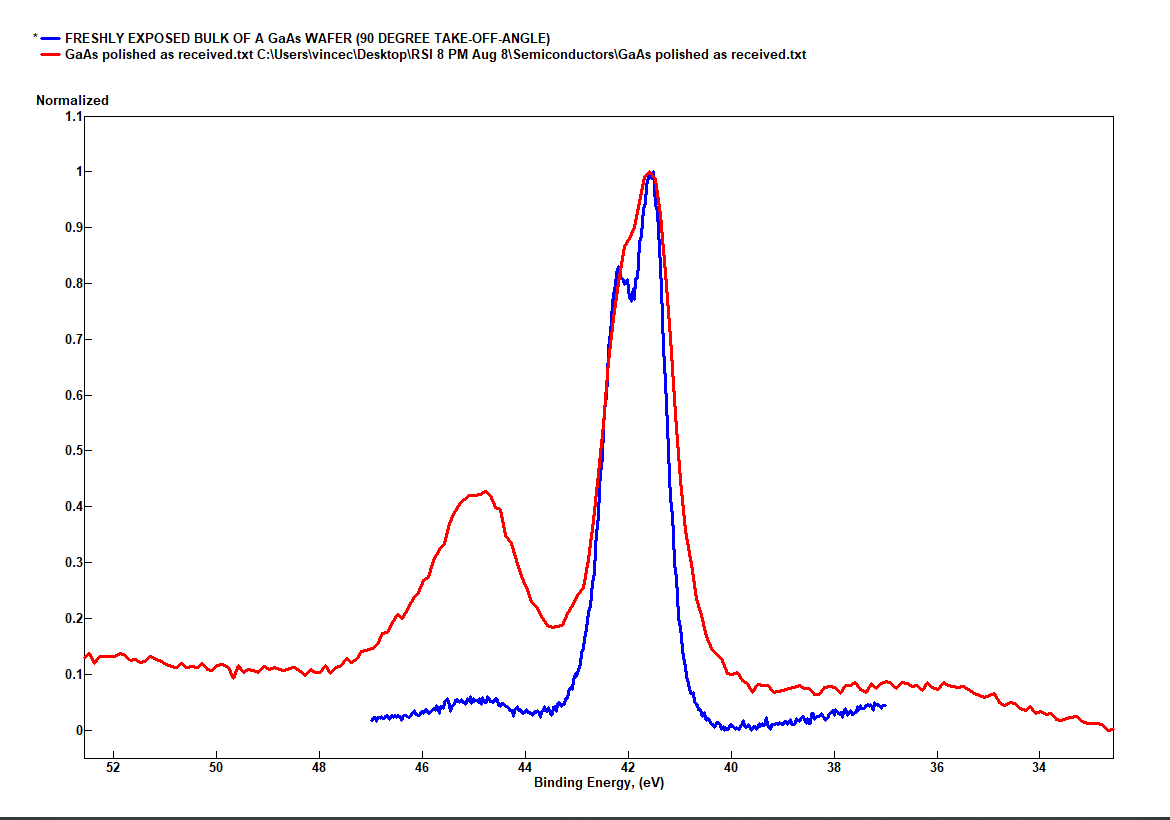
As, Arsenic
Au, Gold


Au, Gold
B, Boron


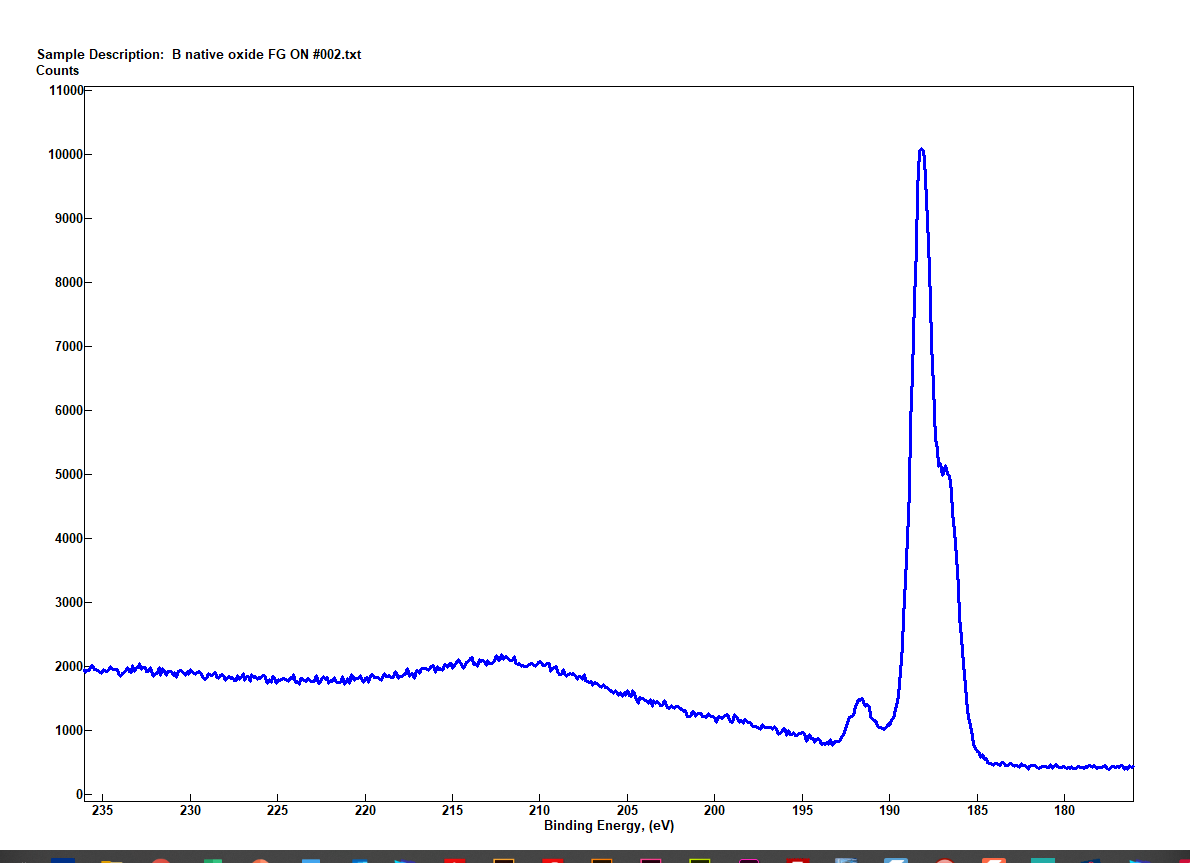

B, Boron
Ba, Barium


Ba, Barium
Be, Beryllium


Be, Beryllium
Bi, Bismuth


Br, Bromine

Br, Bromine
C, Carbon


C, Carbon
Ca, Calcium

Ca, Calcium
Cd, Cadmium


\

Cd, Cadmium
Ce, Cerium


Ce, Cerium
Cl, Chlorine

Cl, Chlorine
Co, Cobalt


Co, Cobalt
Cr, Chromium


Cr, Chromium
Cs, Cesium


Cs, Cesium
Cu, Copper


Cu, Copper
Dy, Dysprosium

Dy, Dysprosium
Er, Erbium


Er, Erbium
Eu, Europium


Eu, Europium
F, Fluorine


F, Fluorine
Fe, Iron


Fe, Iron
Ga, Gallium


Ga, Gallium
Ge, Germanium


Ge, Germanium
Gd, Gadolinium


Gd, Gadolinium
Hf, Hafnium


Hf, Hafnium
Hg, Mercury


Hg, Mercury
Ho, Holmium

Ho, Holmium
I, Iodine


I, Iodine
In, Indium


In, Indium
Ir, Iridium

Ir, Iridium
K, Potassium

K, Potassium
Kr, Krypton

Kr, Krypton
La, Lanthanum

La, Lanthanum
Li, Lithium

Li, Lithium
Lu, Lutetium


Lu, Lutetium
Mg, Magnesium


Mg, Magnesium
Mn, Manganese


Mn, Manganese
Mo, Molybdenum


Mo, Molybdenum
N, Nitrogen

N, Nitrogen
Na, Sodium


Na, Sodium
Nb, Niobium


Nb, Niobium
Nd, Neodymium


Nd, Neodymium
Ni, Nickel


Ni, Nickel
O, Oxygen


O, Oxygen
Os, Osmium


Os, Osmium
P, Phosphorus


P, Phosphorus
Pb, Lead

Pb, Lead
Pd, Palladium


Pd, Palladium
Pr, Praseodymium

Pr, Praseodymium
Pt, Platinum


Pt, Platinum
Rb, Rubidium

Rb, Rubidium
Re, Rhenium


Re, Rhenium
Rh, Rhodium

Rh, Rhodium
Ru, Ruthenium

Ru, Ruthenium
S, Sulfur


S, Sulfur
Sb, Antimony


Sb, Antimony
Sc, Scandium


Sc, Scandium
Se, Selenium


Se, Selenium
Si, Silicon


Si, Silicon
Sm, Samarium

Sm, Samarium
Sn, Tin

Sn, Tin
Sr, Strontium


Sr, Strontium
Ta, Tantalum


Ta, Tantalum
Tb, Terbium

Tb, Terbium
Te, Tellurium

Te, Tellurium
Th, Thorium


Th, Thorium
Ti, Titanium


Ti, Titanium
Tl, Thallium


Tl, Thallium
U, Uranium


V, Vanadium


V, Vanadium
W, Tungsten


W, Tungsten
Xe, Xenon

Xe, Xenon
Y, Yttrium


Y, Yttrium
Yb, Ytterbium

Yb, Ytterbium
Zn, Zinc


Zn, Zinc
Zr, Zirconium

Zr, Zirconium